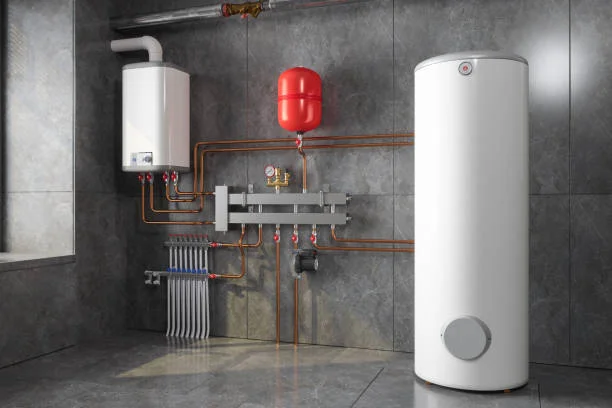
A reliable and efficient home heating system is one of the most important aspects of modern living. In the United Kingdom and many other regions with cold winters, heating is essential not only for comfort but also for health, property protection, and energy efficiency. Choosing the right heating system can significantly influence household running costs, environmental impact, indoor air quality, and overall comfort.
With increasing energy prices, evolving government regulations, and growing concerns about climate change, homeowners are paying closer attention to how their homes are heated. From traditional gas boilers to modern heat pumps, there is now a wider range of heating technologies available than ever before.
This comprehensive guide explores every major type of home heating system, how they work, their advantages and disadvantages, installation considerations, maintenance requirements, costs, efficiency ratings, and future trends in domestic heating.
Understanding Home Heating Systems
A home heating system is designed to generate and distribute heat throughout a property to maintain comfortable indoor temperatures during colder weather.
Most heating systems consist of three primary components:
Heat Source
This is the equipment that produces heat, such as:
- Boiler
- Furnace
- Heat pump
- Electric heater
- Biomass boiler
- Wood-burning stove
Heat Distribution System
The method used to move heat around the home, including:
- Radiators
- Underfloor heating
- Ductwork
- Warm air systems
- Electric panels
Controls
Heating controls help regulate temperatures and energy consumption.
Examples include:
- Thermostats
- Smart thermostats
- Timers
- Zonal controls
- Thermostatic radiator valves (TRVs)
Why Choosing the Right Heating System Matters
Selecting an appropriate heating system affects:
Energy Efficiency
Efficient systems consume less fuel while producing the same level of comfort.
Running Costs
Heating often represents the largest portion of household energy bills.
Environmental Impact
Heating contributes significantly to residential carbon emissions.
Property Value
Modern, efficient heating systems can increase a property’s market appeal.
Comfort Levels
A good system provides consistent temperatures throughout the home.
Types of Home Heating Systems
Gas Central Heating Systems
Gas central heating remains the most common heating method in the UK.
How It Works
A gas boiler burns natural gas to heat water.
The hot water is circulated through:
- Radiators
- Underfloor heating
- Hot water cylinders
Types of Gas Boilers
Combi Boilers
Combination boilers provide:
- Instant hot water
- Central heating
- No separate hot water cylinder
Advantages:
- Compact design
- Energy efficient
- Lower installation costs
Disadvantages:
- Reduced performance when several taps are used at the same time
System Boilers
These boilers work alongside a hot water cylinder.
Advantages:
- Suitable for larger homes
- Better for properties with multiple bathrooms
Disadvantages:
- Requires space for a cylinder
Regular Boilers
Also known as conventional or heat-only boilers.
Advantages:
- Suitable for older heating systems
- Ideal for homes with high hot water demand
Disadvantages:
- Requires additional tanks and cylinders
Advantages of Gas Heating
- Lower running costs than electric heating
- Fast heat delivery
- Reliable technology
- Widely available
Disadvantages
- Produces carbon emissions
- Dependent on gas supply
- Potential future regulatory restrictions
Electric Heating Systems
Electric heating converts electrical energy directly into heat.
Electric Radiators
Electric radiators are standalone heating units powered by electricity, providing efficient and controllable warmth without the need for pipework or a central heating system.
Benefits:
- Easy installation
- No pipework required
- Individual room control
Drawbacks:
- Higher running costs
Storage Heaters
Store heat during off-peak electricity periods.
Benefits:
- Can utilise cheaper tariffs
Drawbacks:
- Less responsive than modern alternatives
- Heat may be released when not required
Infrared Heating Panels
These heat people and objects rather than warming the air directly.
Benefits:
- Rapid warmth
- Modern appearance
- Energy efficient in suitable environments
Drawbacks:
- Different heating experience compared with traditional systems
Heat Pump Systems
Heat pumps are becoming increasingly important in the transition towards low-carbon heating.
How Heat Pumps Work
Heat pumps extract thermal energy from:
- Outdoor air
- Ground
- Water
The heat is then upgraded and transferred into the home.
Air Source Heat Pumps (ASHP)
The most common type of heat pump.
Advantages:
- Lower carbon emissions
- High efficiency
- Potential eligibility for government incentives
- Suitable for many property types
Disadvantages:
- Higher installation costs
- Best performance in well-insulated homes
Typical efficiency can range from 300% to 500%, meaning one unit of electricity can generate three to five units of heat.
Ground Source Heat Pumps (GSHP)
Extract heat from the ground using buried pipework.
Advantages:
- Exceptional efficiency
- Long operational lifespan
- Consistent year-round performance
Disadvantages:
- Expensive installation
- Requires significant outdoor space
Oil-Fired Heating Systems
These systems are common in rural areas without access to mains gas.
How They Work
An oil boiler burns heating oil stored in an external tank.
Advantages:
- Suitable for off-grid properties
- Powerful heat output
Disadvantages:
- Fuel price fluctuations
- Storage requirements
- Higher carbon emissions
LPG Heating Systems
Liquefied Petroleum Gas (LPG) provides an alternative for properties without mains gas.
Advantages:
- Cleaner than oil
- Suitable for remote locations
Disadvantages:
- Requires fuel deliveries
- Higher fuel costs
Biomass Heating Systems
Biomass systems burn renewable organic materials.
Common fuels include:
- Wood pellets
- Logs
- Wood chips
Advantages:
- Renewable fuel source
- Reduced carbon footprint
- Potential fuel savings
Disadvantages:
- Fuel storage requirements
- Higher maintenance demands
Wood-Burning and Multi-Fuel Stoves
Popular for both heating and aesthetic appeal.
Wood-Burning Stoves
Burn seasoned wood to produce heat.
Advantages:
- Attractive focal point
- Effective room heating
- Potential fuel savings
Disadvantages:
- Manual operation
- Chimney maintenance required
Multi-Fuel Stoves
Can burn:
- Wood
- Smokeless coal
- Approved alternative fuels
Underfloor Heating Systems
Underfloor heating distributes heat beneath floor surfaces.
Wet Underfloor Heating
Uses warm water circulating through pipework.
Benefits:
- Uniform heat distribution
- Excellent efficiency
- Highly compatible with heat pumps
Drawbacks:
- More complex installation process
Electric Underfloor Heating
Uses electric cables or heating mats.
Benefits:
- Easier installation during renovations
Drawbacks:
- Higher operating costs
Warm Air Heating Systems
Warm air systems distribute heated air through ducts.
Advantages:
- Rapid heating
- Potential integration with ventilation systems
Disadvantages:
- Duct maintenance requirements
- Possible noise concerns
Smart Heating Controls
Modern controls improve both comfort and efficiency.
Smart Thermostats
Features may include:
- Smartphone control
- Learning technology
- Energy monitoring
- Geolocation functions
Benefits:
- Reduced energy consumption
- Increased convenience
Zoned Heating
Allows different areas of a property to be heated independently.
Advantages:
- Reduced energy waste
- Personalised comfort settings
Radiators Explained
Radiators remain the most common heat emitters in UK homes.
Types of Radiators
Single Panel Radiators
Suitable for smaller rooms.
Double Panel Radiators
Offer increased heat output.
Vertical Radiators
Ideal where wall space is limited.
Designer Radiators
Combine style with practical heating performance.
Home Insulation and Heating Performance
Even the most advanced heating system performs poorly without adequate insulation.
Loft Insulation
Can dramatically reduce heat loss through the roof.
Wall Insulation
Options include:
- Cavity wall insulation
- Solid wall insulation
Floor Insulation
Improves comfort and energy efficiency.
Double and Triple Glazing
Helps reduce heat loss through windows.
Heating System Efficiency Ratings
Boiler Efficiency
Modern condensing boilers frequently achieve efficiency levels above 90%.
Heat Pump Efficiency
Measured using:
COP (Coefficient of Performance)
Shows the ratio of heat output to electricity input.
SCOP (Seasonal Coefficient of Performance)
Measures efficiency over an entire heating season.
Heating Costs Comparison
Running costs depend on:
- Energy prices
- Property size
- Insulation levels
- Local climate
- Household usage patterns
Generally speaking, the most cost-effective systems often include:
- Ground source heat pumps
- Air source heat pumps
- Modern gas boilers
- Biomass heating systems
- Oil-fired systems
- Electric resistance heating
Actual costs vary considerably between properties.
Environmental Impact of Heating Systems
High-Carbon Systems
- Oil boilers
- Older gas boilers
- Coal-burning appliances
Lower-Carbon Systems
- Heat pumps
- Biomass heating
- Renewable-electricity-powered systems
Reducing carbon emissions is becoming a key factor in heating decisions.
Heating System Maintenance
Boiler Maintenance
Annual servicing should include:
- Safety inspections
- Efficiency testing
- Component checks
Heat Pump Maintenance
Typically involves:
- Filter cleaning
- Refrigerant inspections
- Annual servicing
Radiator Maintenance
Regular tasks include:
- Bleeding radiators
- Checking valves
- Balancing the heating system
Common Heating Problems
Cold Radiators
Potential causes include:
- Air trapped in the system
- Sludge build-up
- Faulty radiator valves
Boiler Pressure Issues
Often caused by:
- Leaks
- Expansion vessel faults
Uneven Heating
May indicate balancing problems within the system.
High Energy Bills
Possible reasons include:
- Poor insulation
- Outdated equipment
- Incorrect thermostat settings
Choosing the Right Heating System
Several factors should be considered.
Property Size
Larger homes generally require more powerful heating solutions.
Existing Infrastructure
Current pipework and radiators may influence the best choice.
Budget
Both installation costs and long-term operating expenses should be evaluated.
Environmental Goals
Many homeowners prioritise reducing their carbon footprint.
Local Fuel Availability
Not all fuel types are available in every location.
Heating Systems for Different Property Types
Flats and Apartments
Often suited to:
- Electric systems
- Heat pumps
- District heating networks
Detached Homes
May accommodate:
- Gas boilers
- Heat pumps
- Biomass systems
Rural Properties
Frequently rely on:
- Oil
- LPG
- Biomass
- Ground source heat pumps
Future of Home Heating
The domestic heating sector is undergoing significant transformation.
Heat Pump Adoption
Governments increasingly support heat pump installations through various incentives and policies.
Smart Home Integration
Heating systems are becoming more connected and automated.
Renewable Energy Integration
Heating increasingly works alongside:
- Solar panels
- Battery storage systems
- Smart energy grids
Hydrogen Development
Hydrogen may eventually contribute to domestic heating, although large-scale adoption remains uncertain.
Tips for Improving Heating Efficiency
- Upgrade insulation wherever possible.
- Install smart heating controls.
- Service equipment annually.
- Bleed radiators regularly.
- Reduce thermostat settings slightly.
- Seal draughts around windows and doors.
- Replace ageing boilers when appropriate.
- Consider renewable heating technologies.
- Use zoning controls to avoid heating unused rooms.
- Monitor energy usage regularly.
Conclusion
Home heating systems have evolved significantly, offering homeowners a wide range of solutions that balance comfort, efficiency, cost, and environmental responsibility. Traditional gas boilers continue to serve many households effectively, while heat pumps are rapidly emerging as a leading low-carbon alternative. Electric heating, biomass systems, oil boilers, LPG systems, and wood-burning appliances each have specific advantages depending on the property’s location, size, and heating requirements.
The most suitable heating solution depends on numerous factors, including budget, insulation levels, fuel availability, environmental objectives, and long-term operating costs. By understanding how different systems work and evaluating their strengths and limitations, homeowners can make informed decisions that improve comfort, reduce energy bills, and future-proof their homes.
As energy efficiency standards continue to advance and renewable technologies become more widespread, the future of home heating will increasingly focus on sustainability, intelligent controls, and lower carbon emissions. Investing in the right heating system today can provide lasting benefits in comfort, efficiency, and property value for many years to come.