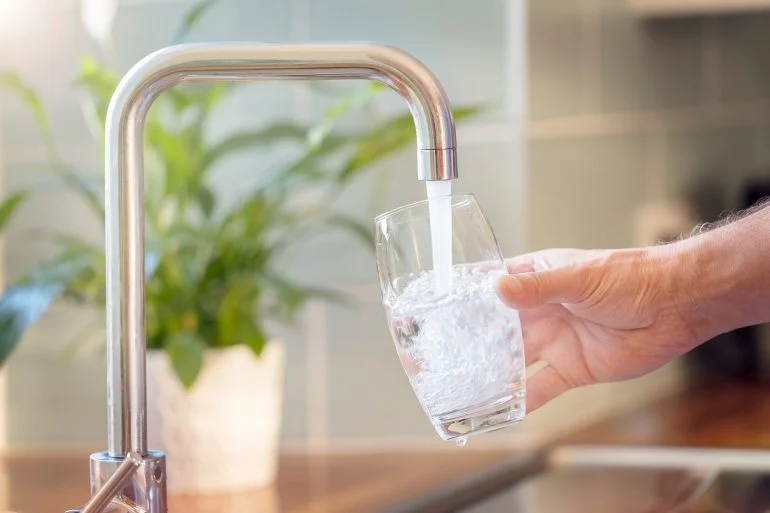
Why more households are using water filters
Tap water is generally safe to drink, but that does not always mean it tastes pleasant. Depending on where you live, you may notice chlorine, a slight metallic taste, or water that simply feels less fresh than expected.
Older pipework can also affect flavour and clarity, especially in period homes and flats with ageing plumbing systems. In hard water areas, mineral content can make drinks taste different and leave scale build-up in kettles and kitchen appliances.
Because of this, more households are turning to water filters as a practical way to improve everyday drinking water without relying on bottled alternatives.
For most people, the goal is not extreme purification. It is simply cleaner tasting water that feels more pleasant to drink and use for cooking.
What actually matters when choosing a water filter
A lot of buyers focus too heavily on technical marketing claims, but everyday usability matters just as much as filtration performance.
Filtration capability
Different systems are designed to target different impurities.
Most filters focus on reducing:
- Chlorine
- Sediment and rust particles
- Heavy metals from older plumbing
Some advanced systems may also reduce:
- Microplastics
- Certain chemical residues
- Fluoride in specific cases
Not every household needs maximum filtration. In many cases, improving taste and reducing odours is more than enough.
Water flow and convenience
Flow rate is often overlooked until the filter is actually installed.
A system that slows water too much quickly becomes frustrating when:
- Filling kettles
- Cooking meals
- Washing vegetables
- Cleaning dishes
The best systems improve water quality while still feeling practical in daily use.
Maintenance requirements
Every filter needs replacing eventually, but maintenance levels vary significantly between systems.
Before buying, it helps to consider:
- How often filters need replacing
- The cost of replacement cartridges
- Whether replacements are easy to find
- How simple the replacement process is
A system that is difficult to maintain usually becomes neglected over time.
Kitchen space and installation
Kitchen size plays a major role when choosing a setup.
Some systems stay hidden beneath the sink, while others sit directly on the countertop or attach to the tap itself.
For smaller kitchens, compact systems are often the most practical option.
Main types of water filters
Under-sink systems

Under-sink filters connect directly to the cold water line beneath the kitchen sink.
They are popular because they:
- Stay hidden out of sight
- Save countertop space
- Provide filtered water directly from the tap
- Feel like a permanent kitchen upgrade
This type is often considered the best balance between convenience and performance.
Countertop filters
Countertop systems sit visibly on the kitchen surface and connect to the tap using a hose or adapter.
They are:
- Easy to install
- Suitable for rented properties
- Portable when moving home
The main drawback is that they take up workspace in the kitchen.
Tap-mounted filters

These attach directly to the faucet and filter water as it flows through.
They are:
- Affordable
- Quick to install
- Suitable for basic filtration needs
However, they tend to be less durable and may slightly reduce water pressure.
Whole-house filtration systems

Whole-house systems filter all water entering the property rather than just kitchen drinking water.
They are usually:
- Installed at the main water supply
- More expensive than standard systems
- Intended for larger properties or specialist needs
For most homes, this level of filtration is unnecessary.
Do water filters make a noticeable difference?
The improvements are usually subtle rather than dramatic, but they are noticeable in daily use.
Most people report:
- Better tasting drinking water
- Reduced chlorine smell
- Improved tea and coffee flavour
- More consistent water quality
The difference becomes more obvious over time, especially when switching back to unfiltered water.
How long water filters usually last
Filter lifespan depends on:
- The type of system
- Daily water usage
- Local water quality
As a general guide:
- Basic carbon filters often last 6 to 12 months
- Mid-range systems may last 12 to 18 months
- Larger capacity filters can last up to 24 months
Hard water areas may require more frequent replacements due to higher mineral content.
Choosing the right setup for your home
The easiest way to decide is by thinking about how you actually use water at home.
Under-sink systems
Best for:
- Everyday family use
- Permanent kitchen setups
- Saving countertop space
Countertop filters
Best for:
- Renters
- Temporary setups
- Easy installation without tools
Tap-mounted filters
Best for:
- Budget-friendly filtration
- Light use
- Smaller households
Whole-house systems
Best for:
- Full-property filtration
- Larger homes
- Advanced water treatment needs
Final thoughts
Water filters are less about completely transforming water and more about improving daily experience in small but noticeable ways.
Cleaner taste, reduced odours, and less dependence on bottled water are usually the biggest benefits people notice over time.
The best system is not necessarily the most expensive or advanced. It is the one that fits your kitchen, your usage habits, and the amount of maintenance you are realistically willing to handle.