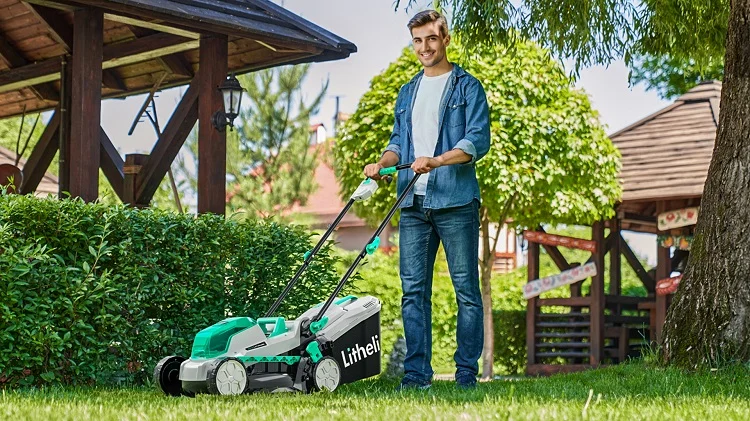
Cordless lawn mowers have become one of the most popular choices for garden maintenance in recent years, especially as battery technology has improved. What was once seen as a weaker alternative to petrol models has now developed into a practical and reliable option for many households.
For most gardens, a modern cordless mower provides more than enough power for regular mowing while avoiding many of the common frustrations associated with petrol or corded electric machines.
The biggest advantage is convenience. There are no extension leads trailing across the lawn, no fuel storage to worry about, and far less maintenance compared to traditional petrol mowers. For many people, that simplicity is exactly what makes cordless models appealing.
At the same time, modern lithium-ion batteries now offer longer runtimes, faster charging, and stronger performance than earlier cordless designs. Many current models are capable of handling medium and even large gardens without difficulty.
Why cordless lawn mowers have become so popular
A few years ago, cordless mowers were mainly suited to smaller gardens. Battery life was limited, power output was lower, and performance could struggle in thicker grass.
That has changed significantly.
Most modern cordless lawn mowers now use high-capacity lithium-ion battery systems combined with brushless motors, which are quieter, more efficient, and designed for longer-term reliability.
For many households, cordless models now offer the best balance between performance, convenience, and running costs.
Some of the main reasons people switch to cordless lawn mowers include:
- Easier storage
- Quieter operation
- No petrol fumes
- Lower maintenance
- Freedom to move without cables
- Faster start-up with push-button operation
- Reduced weight compared to many petrol machines
For regular weekly mowing, these advantages quickly become noticeable.
How cordless lawn mowers work

Cordless lawn mowers use rechargeable batteries to power an electric motor that drives the cutting blade.
Most modern systems use lithium-ion batteries because they provide:
- Longer runtimes
- Faster charging
- Better energy efficiency
- Lower weight
- More consistent power delivery
The battery connects directly into the mower body and can usually be removed for charging indoors.
Some larger models use dual-battery systems to increase runtime and improve cutting performance on bigger lawns.
Unlike petrol mowers, there is no pull cord, engine oil, or fuel mixture involved. Most cordless models start instantly with a safety button and lever system.
Main types of cordless lawn mowers
Not all cordless lawn mowers are designed for the same type of garden. The right option depends largely on lawn size, terrain, and how often you mow.
Compact cordless mowers
Compact models are designed for smaller gardens and lighter use.
They are usually:
- Lightweight
- Easy to manoeuvre
- Easier to store
- Simpler to transport
These models are ideal for smaller lawns, narrow pathways, or homes with limited storage space.
However, they may struggle with very thick grass or larger areas.
Standard cordless mowers
Standard cordless mowers are the most common type for average households.
They offer a balance between:
- Runtime
- Cutting power
- Weight
- Storage size
Most are suitable for medium-sized gardens and regular weekly mowing.
Cordless lawn mowers for large gardens
Larger cordless mowers are built for wider lawns and longer mowing sessions.
They often include:
- Wider cutting decks
- Larger grass collection boxes
- Dual battery systems
- Self-propelled drive systems
- More powerful brushless motors
These models are better suited for properties where mowing takes longer or where grass grows quickly during spring and summer.
If you are comparing larger models, see our guide to the best cordless lawn mowers for large gardens.
Self-propelled cordless lawn mowers
Self-propelled models use a powered drive system that moves the mower forward automatically.
Instead of pushing the full weight manually, the mower assists movement through the rear wheels.
This becomes especially useful for:
- Large gardens
- Sloped lawns
- Uneven terrain
- Longer mowing sessions
Although self-propelled cordless mowers are usually more expensive, many users find them far more comfortable for regular use.
Brushless motors explained
Many modern cordless lawn mowers now use brushless motors rather than traditional brushed motors.
Brushless systems are generally preferred because they:
- Produce less friction
- Generate less heat
- Require less maintenance
- Improve battery efficiency
- Deliver smoother power output
In practical use, this usually means better performance and longer motor lifespan.
Battery life and runtime
Battery performance is one of the most important factors when choosing a cordless mower.
Runtime depends on several factors, including:
- Lawn size
- Grass thickness
- Battery capacity
- Motor efficiency
- Cutting height
- Terrain conditions
Shorter grass usually requires less power, while long or damp grass can reduce runtime significantly.
As a rough guide:
- Small cordless mowers may run for 25 to 40 minutes
- Mid-range models often run for 40 to 60 minutes
- Larger dual-battery systems may reach 60 to 90 minutes
Many modern systems also allow battery swapping, which is useful for larger lawns.
Charging times
Charging times vary between manufacturers and battery sizes.
Most cordless mower batteries take between:
- 60 minutes
- 2 hours
- 4 hours
Fast chargers are becoming more common on premium models.
Some systems also use interchangeable batteries shared across other garden tools such as:
- Hedge trimmers
- Leaf blowers
- Grass trimmers
- Chainsaws
This can reduce overall costs if you already use tools from the same battery platform.
Cutting width explained
Cutting width affects how much grass the mower cuts in a single pass.
A wider cutting deck helps reduce mowing time, especially in larger gardens.
Typical cutting widths include:
30cm to 34cm
Best for:
- Small gardens
- Narrow spaces
- Lightweight handling
35cm to 42cm
Best for:
- Medium-sized gardens
- General household use
43cm to 50cm+
Best for:
- Large lawns
- Faster mowing
- Wider open areas
Wider mowers usually cover ground faster but can be heavier and less manoeuvrable in tighter spaces.
Grass collection and mulching
Most cordless lawn mowers collect grass clippings into a removable collection box.
Larger collection bags reduce the number of stops needed while mowing.
Some models also support mulching.
Mulching cuts grass into finer pieces and redistributes it back onto the lawn, where it breaks down naturally.
Benefits of mulching include:
- Returning nutrients to the soil
- Reducing garden waste
- Improving moisture retention
However, mulching works best when grass is not excessively long.
Are cordless lawn mowers powerful enough?
For most households, yes.
Modern cordless mowers are now powerful enough for regular garden maintenance and can comfortably handle normal lawn conditions.
However, there are still situations where petrol models may perform better, including:
- Extremely large properties
- Overgrown grass
- Commercial landscaping
- Very rough terrain
For typical domestic gardens though, cordless systems are now more than capable.
Can cordless lawn mowers cut wet grass?
They can, but it is usually not recommended.
Wet grass tends to:
- Clog the mower deck
- Reduce cutting quality
- Increase strain on the motor
- Drain batteries faster
Whenever possible, mowing dry grass produces better results and reduces wear on the mower.
How long do cordless lawn mowers last?
A good-quality cordless mower can last many years if maintained properly.
Battery lifespan is often the biggest factor.
Most lithium-ion batteries remain effective for several years depending on:
- Usage frequency
- Charging habits
- Storage conditions
- Temperature exposure
Replacement batteries are available for most major brands.
Maintenance tips
Cordless lawn mowers require less maintenance than petrol models, but some basic care is still important.
Clean after use
Remove grass build-up from underneath the deck after mowing.
Keep blades sharp
Sharp blades improve cutting performance and reduce strain on the motor.
Store batteries correctly
Avoid leaving batteries in extreme heat, cold, or damp environments.
Check vents regularly
Blocked air vents can affect motor cooling.
Avoid full battery discharge repeatedly
Keeping lithium-ion batteries partially charged helps extend lifespan.
Choosing the right cordless lawn mower
The best cordless mower depends on how you actually use your garden.
Small gardens
Look for:
- Lightweight design
- Compact storage
- Smaller cutting width
Medium gardens
Look for:
- Balanced runtime
- Adjustable cutting heights
- Good manoeuvrability
Large gardens
Look for:
- Dual battery systems
- Wide cutting decks
- Self-propelled drive
- Large grass collection boxes
Are cordless lawn mowers worth buying?
For most households, cordless lawn mowers now offer one of the most practical ways to maintain a garden.
They combine convenience, lower maintenance, quieter operation, and strong enough performance for regular use without the complications of petrol systems or extension cables.
The right model depends mainly on lawn size, battery runtime, and how much cutting power you realistically need, but for everyday garden maintenance, cordless mowers have become a reliable option for a wide range of homes.