A British home can feel chilly at breakfast, stuffy by the afternoon and damp by bedtime. Those problems may seem unrelated, yet they often come back to the same three things: how heat enters and escapes the building, how moisture moves through it and whether stale air has somewhere to go.
The answer is rarely to buy the biggest heater, air conditioner or air purifier. A draughty room will still be draughty with a new radiator. A bedroom with mould will not be fixed by a scented purifier. And a top-floor flat that traps afternoon sunshine needs more than a powerful fan.
The smarter approach is to treat heating, cooling, ventilation and air quality as one system. This guide explains what makes the biggest difference in UK homes, when specialist equipment is worth paying for and which checks to make before committing to an expensive upgrade.
Home comfort at a glance
| If your problem is… | Start here |
|---|---|
| Cold rooms | Check draughts, insulation, heating controls and radiator performance. |
| Hot bedrooms | Shade exposed windows and use cooler outdoor air when safe. |
| Condensation | Investigate indoor moisture, extraction, ventilation and cold surfaces. |
| Dust and pollen | Reduce sources and consider a correctly sized particle filter. |
The most valuable upgrade is usually the one that addresses the cause, not just the symptom.
First, find out what is actually making your home uncomfortable
Before comparing appliances, pay attention to when and where the problem occurs. A chilly room is not always a heating-system fault, just as a musty smell is not automatically a reason to buy a dehumidifier.
Instead of guessing which appliance to buy, use the symptoms below to identify the most useful first checks. It is often possible to narrow down the problem before spending money on new equipment.
A basic digital thermometer and hygrometer can reveal useful patterns. Record temperature and relative humidity morning and evening for a week, and note when rooms are occupied. If damp patches persist or mould returns after cleaning, investigate leaks, thermal bridges or ventilation faults rather than assuming household habits are the only cause.
Common household problems: where to start
| Problem | First things to check |
|---|---|
| One room stays colder | Draughts, radiator heat, room controls, furniture placement and insulation. |
| Morning condensation | Shower and cooking moisture, laundry drying, extractor fans and cold surfaces. |
| Upstairs rooms overheat | Afternoon sunshine, shading, roof insulation and safe cooler-air ventilation. |
| Cooking smells linger | Whether extraction vents outdoors and how replacement air enters. |
| Musty smell or recurring mould | Leaks, condensation, cold corners and ventilation. |
| Dust or pollen affects comfort | Source control, cleaning and appropriately sized particle filtration. |
Heating: get the building right before replacing the boiler
There is no single best heating system for every home. A well-insulated terrace, an off-grid cottage and a city flat face different installation costs, space constraints and energy tariffs. What matters is the amount of heat the building needs and how efficiently that heat can be supplied.
Heating systems at a glance
| Heating option | Best use | Key consideration |
|---|---|---|
| Gas boiler and radiators | Homes with established wet central heating | Service professionally and optimise controls. |
| Air-source heat pump | Efficient whole-home heating | Needs a room-by-room heat-loss assessment and suitable heat emitters. |
| Ground-source heat pump | Properties with suitable land and budget | Groundwork increases installation complexity. |
| Electric radiator | Occasional heat in one room | Check electricity costs for frequent use. |
| Wet underfloor heating | Renovations and low-temperature systems | Floor build-up, insulation and installation matter. |
| Electric underfloor mat | Small bathrooms and selected retrofits | Electricity cost depends on usage. |
Gas boilers still have a role, but maintenance matters
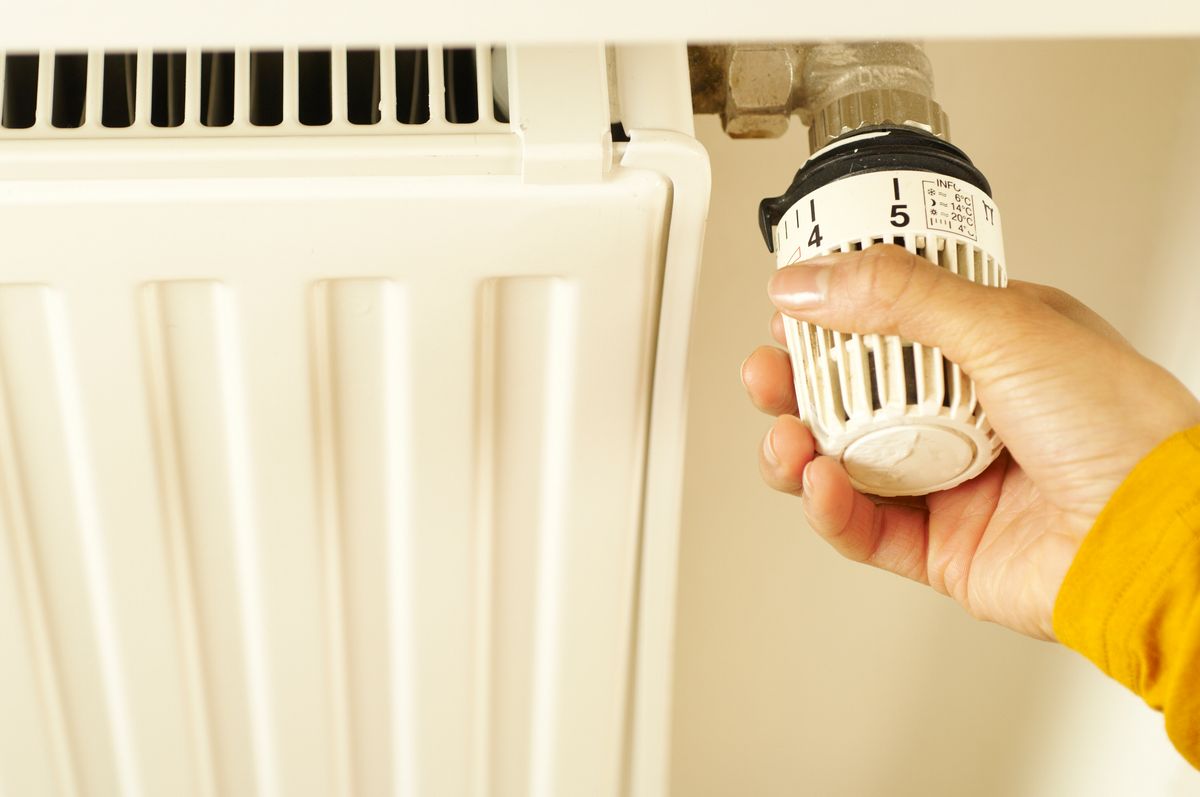
In a conventional central-heating system, a boiler heats water that flows through radiators or underfloor pipework. A modern condensing boiler can be efficient when installed and controlled correctly, but an oversized system, poorly set controls or badly balanced radiators can waste energy even if the boiler itself is relatively new.
Start with the basics: service gas appliances regularly through a Gas Safe registered engineer, check that radiators heat evenly and make sure thermostatic radiator valves are being used properly. Never block permanent ventilation openings or attempt DIY gas work. See our guide to heating maintenance for the checks worth making before winter.
Heat pumps: high efficiency, but design makes the difference
An air-source heat pump draws energy from outdoor air; a ground-source system uses heat collected from buried pipework. Instead of producing heat directly from electricity, the machine moves it. A properly designed heat pump can deliver several units of heat for each unit of electricity it consumes, although performance changes with outdoor temperature and the heating system’s operating temperature.
That does not mean every home needs underfloor heating. Some existing radiators are large enough; others may need upgrading so they can warm rooms using lower-temperature water. Ask prospective installers for a room-by-room heat-loss calculation, expected seasonal performance, radiator requirements, hot-water arrangements and a clear explanation of the controls. Compare the total installed cost and expected running costs against your actual tariff, not an idealised efficiency headline. The Energy Saving Trust’s heat pump guide is a useful starting point.
UK funding note: In England and Wales, the Boiler Upgrade Scheme currently offers grants for eligible heat-pump installations, with higher support for certain off-gas-grid properties. Eligibility and amounts change, so check the government rules and obtain written installer quotations before budgeting.
Direct electric heating: simple to install, not automatically cheap to run
An electric radiator, oil-filled heater or panel heater can make sense for a home office, extension or infrequently used room. You can often control one space without heating the entire house. But ordinary resistance heaters typically turn one unit of electricity into about one unit of heat; labels such as ‘energy-saving’ do not change that fundamental relationship. Running cost depends mainly on wattage, time used, electricity tariff and how much heat the room loses.
For occasional top-up heating, compare our electric radiator options. For whole-home heating, calculate costs carefully before replacing a boiler or heat pump with direct electric radiators.
Underfloor heating: comfort is not the same as an automatic saving
Water-based underfloor heating can pair well with a heat pump because it distributes heat across a large surface at relatively low water temperatures. Electric underfloor mats are often simpler to retrofit in a small bathroom but can cost more to run for long periods. Floor construction, insulation underneath, heat-up time and the intended room all matter. Our guide to retrofitting underfloor heating explains the practical trade-offs.
A warmer home for less: the improvements to make first
Better heating controls will not compensate for a roof that leaks warmth or windows that let cold air blow through. Addressing heat loss is often the best first investment, especially before sizing a new heating system.
- Check insulation and obvious cold spots. Loft insulation, appropriate wall insulation and gaps around doors can all affect comfort. Get specialist advice before insulating older solid-wall buildings or areas with existing damp.
- Seal unwanted draughts, not intentional ventilation. Weather-stripping around suitable doors and windows can help. Keep air bricks, trickle vents and combustion-air openings clear.
- Set a comfortable, consistent temperature. The Energy Saving Trust suggests that roughly 18–21°C suits many people, although individual health and comfort needs vary.
- Use heating zones intelligently. Programmable controls and radiator valves can avoid overheating unused areas. Do not allow vulnerable rooms to become dangerously cold or damp.
- Maintain the system. Bleed radiators if appropriate, inspect obvious leaks and have fuel-burning appliances serviced by qualified professionals.
For more on the fabric of the building, see our cavity-wall insulation guide and EPC improvement advice.
Cooling: stop the heat entering before trying to remove it
During a heatwave, the best cooling upgrade may be outside the window. Sunshine hitting glass can rapidly warm a room, particularly a top-floor bedroom with large south- or west-facing windows. External shading blocks that heat before it reaches the glass; blinds and curtains also help.
The UK Health Security Agency’s hot-weather guidance recommends shading sunny windows during the day and opening windows when it is cooler outside, provided it is safe to do so. If outdoor air is hotter than indoors, leaving windows wide open can make matters worse. Consider external awnings, shutters or solar-control blinds for heavily exposed windows, particularly on south- and west-facing elevations.
Cooling and air-quality devices: what each one does
| Device | Useful for | What it will not do |
|---|---|---|
| Fan | Moving air across your skin to help you feel cooler | Lower the actual room temperature |
| Portable air conditioner | Removing heat from a bedroom or home office | Work efficiently without exhausting hot air outside |
| Fixed split air conditioner | Regular, relatively quiet room cooling | Avoid installation and outdoor-unit requirements |
| Particle air purifier | Reducing airborne dust and pollen in a suitable room | Supply fresh air or remedy damp |
| Dehumidifier | Removing excess airborne moisture | Repair a leak or replace ventilation |
| Extractor fan | Removing kitchen or bathroom moisture and pollutants | Provide whole-home air conditioning |
Fans, portable air conditioners and split systems do different jobs
A fan moves air across your skin; it does not lower the room’s air temperature. It may make you feel more comfortable in suitable conditions, but it is not a substitute for cooling during dangerous heat. Follow current public-health advice during extreme temperatures, particularly for older people and those with health conditions.
A portable air conditioner actively removes heat, but a genuine refrigerant-based model needs an exhaust hose routed outside. Check the window-sealing kit, noise levels, condensation management and suitable room size. A product sold as an ‘air cooler’ or evaporative cooler is not the same thing and can add moisture to the room. Read our portable air conditioner guide before buying.
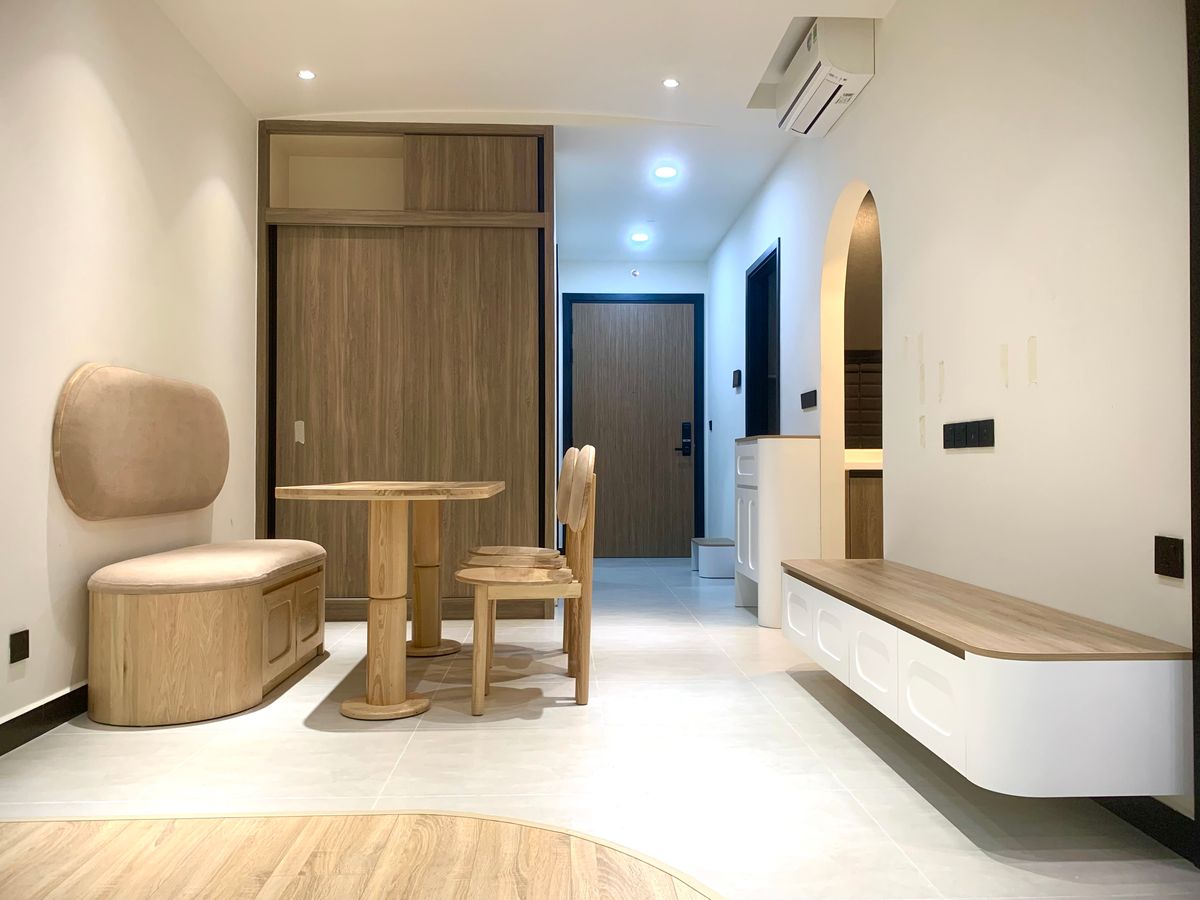
A fixed split system uses separate indoor and outdoor units. It usually offers quieter indoor operation and better cooling efficiency than a single-hose portable appliance, although installation, permissions, space and upfront cost need consideration. Some reversible systems can also heat rooms in winter because they are air-to-air heat pumps. Always use an appropriately qualified installer for refrigerant work.
Ventilation: fresh air is not the same thing as air movement
A stuffy room can have a perfectly good fan and still lack fresh air. A recirculating fan or ordinary room air conditioner usually moves the same indoor air around. Ventilation removes contaminated or moisture-laden air and replaces it with outdoor air.
For many homes, a good starting point is keeping existing vents open, using a cooker extractor that vents outdoors and running bathroom extractors during and after showers. Opening windows for a short period can help when outdoor conditions are suitable. Modern, airtight homes may need more deliberate mechanical ventilation; tightening a building without planning fresh-air provision can make moisture problems worse. The Energy Saving Trust’s ventilation advice explains why draught-proofing and fresh-air supply must be considered together.
Ventilation improvements compared
| Improvement | Best used for | What to remember |
|---|---|---|
| Opening windows | Quick fresh-air changes | Open when outdoor air, weather and security conditions are suitable. |
| Kitchen extractor vented outdoors | Cooking fumes, smells and steam | Capture pollution close to the hob and check the outlet. |
| Bathroom extractor fan | Shower moisture | Run during and after bathing; maintain the fan. |
| Trickle or background vents | Intentional background airflow | Do not seal them when draught-proofing. |
| Mechanical ventilation with heat recovery | Suitably airtight, well-designed homes | Needs professional design, commissioning and filter changes. |
When is mechanical ventilation with heat recovery worthwhile?
MVHR continually extracts air from moisture-producing rooms and supplies filtered outdoor air to living areas and bedrooms, transferring some heat from outgoing to incoming air. It can be effective in suitably airtight homes, particularly during a major renovation or new build. But duct design, commissioning, filter maintenance and noise control are critical. Installing a costly system into a leaky house without a proper design is unlikely to deliver the result suggested by brochure figures.
Indoor air quality: deal with the source before buying a purifier
Cooking, dust, outdoor pollen, cleaning sprays, building materials and damp can all affect the air indoors. The most effective response depends on what is present. For example, extraction close to a gas hob addresses cooking emissions at source; an air purifier in the hallway cannot replace a properly vented kitchen hood.
A HEPA-type particle filter can help reduce airborne dust, pollen and other fine particles in the room it serves. Check the clean air delivery rate (CADR), whether it is appropriate for the room size, replacement-filter costs and the noise level at a fan speed you will actually use. Activated carbon can help with some odours and gases, but effectiveness depends on how much carbon is present and what pollutant is involved. A purifier does not create fresh air, repair damp, remove every gas or protect against carbon monoxide. The US Environmental Protection Agency recommends filtration as a supplement to pollution-source control and ventilation.
Treat grand claims about ‘sterilising’ the entire room with caution. Avoid products that deliberately generate ozone indoors, and do not assume UV light or an ioniser is a substitute for ventilation and adequate particle filtration.
Three myths worth forgetting
| Myth | What actually helps |
|---|---|
| An air purifier replaces ventilation. | It may reduce airborne particles, but fresh-air ventilation and extraction remain essential. |
| Condensation means you need new windows. | Check excess moisture, indoor humidity, extractor fans and cold surfaces before replacing glazing. |
| A bigger heater will always fix a cold room. | Address draughts, insulation, radiator balance and heating controls before increasing output. |
Humidity, condensation and mould: the underlying problem matters
When warm, moisture-laden air meets a cold surface, condensation forms. That is why windows, external corners and poorly insulated walls often become damp in winter. Everyday activities—showering, cooking and drying clothes indoors—add moisture, but so can leaks, faulty gutters, rising damp and other building defects.
A hygrometer helps reveal persistent high humidity. Many households aim for a moderate relative humidity, often around 40–60%, but the right response depends on temperature, season, vulnerable occupants and the condition of the building. If you keep seeing condensation, first check extraction, ventilation, heating and cold surfaces.
Dehumidifiers can remove excess airborne moisture, particularly where indoor drying is unavoidable. They do not provide fresh air and cannot repair a leaking roof or cold bridge. Refrigerant and desiccant models behave differently at lower temperatures, so match the machine to the space. We compare practical options in our conservatory dehumidifier guide.
Persistent mould deserves prompt attention. UK government guidance stresses that simply wiping away growth without addressing the cause will not prevent its return. Large or recurring patches, water damage or mould associated with health symptoms may require professional investigation and remediation. In rented homes, report the problem promptly and keep a written record. Read the government’s guidance on damp and mould.

Safety checks no climate-control purchase should replace
Make sure fuel-burning appliances are installed and maintained correctly, keep required air vents unobstructed and fit appropriate audible carbon monoxide alarms. Carbon monoxide cannot be seen or smelt, and an air-quality monitor or HEPA purifier is not a CO detector. If you suspect carbon monoxide exposure, get into fresh air and follow NHS emergency guidance.
For heaters, follow the product’s clearance instructions, keep fabrics away from hot surfaces and avoid overloading sockets. For portable air conditioners, check safe window and hose installation. For outdoor heat pumps and condensers, ensure airflow is unobstructed and arrange servicing in line with the equipment’s requirements.
What should you spend money on first?
The best upgrade is the one that tackles the cause of the problem, not merely the most visible symptom.
If bills are high and rooms stay cold: investigate insulation, draughts, heating controls and system condition before replacing the heating plant.
If the house overheats: start with window shading, safer night-time ventilation and reducing internal heat sources. Consider mechanical cooling once you’ve assessed room size and exposure.
If you have condensation: look for leaks, check extractor fans and ventilation routes, and improve cold surfaces where possible. Add a dehumidifier only where it helps the overall plan.
If air feels stale or dusty: identify pollution sources, improve clean-air ventilation and use correctly sized particle filtration where appropriate.
If you’re planning major renovations: coordinate insulation, heating design, ventilation and summer overheating measures at the same time. Otherwise, improvements made in isolation can create expensive unintended consequences.
A practical seven-day home-comfort check
- Day 1 — Measure: Record the temperature and relative humidity in problem rooms, morning and evening.
- Day 2 — Find heat loss: Inspect accessible draughts, radiators and obvious insulation gaps.
- Day 3 — Check ventilation: Test kitchen and bathroom extractors; ensure intentional vents are clear.
- Day 4 — Follow the sun: Identify windows that overheat and assess suitable shading.
- Day 5 — Review controls: Check heating schedules and how long portable appliances run.
- Day 6 — Trace moisture: Photograph recurring condensation, staining and possible leaks.
- Day 7 — Prioritise: Address the likely root causes first and obtain professional advice where appropriate.
The bottom line
A comfortable home is not created by a single clever appliance. It comes from a building that holds warmth when it should, sheds excess heat when it must, and has a reliable path for fresh air and moisture to move. Start with the building, use heating and cooling equipment to meet the remaining demand, and treat air purification as a supporting measure—not a cure-all. That order is usually more useful than buying another gadget and hoping the room feels better.
Sources and further reading
For the technical and public-health advice behind this guide, see the Energy Saving Trust’s ventilation guidance, its heat-pump overview, UK hot-weather guidance, government advice on damp and mould and the EPA guide to air cleaners. Grant information and health advice should be rechecked because policies and recommendations can change.
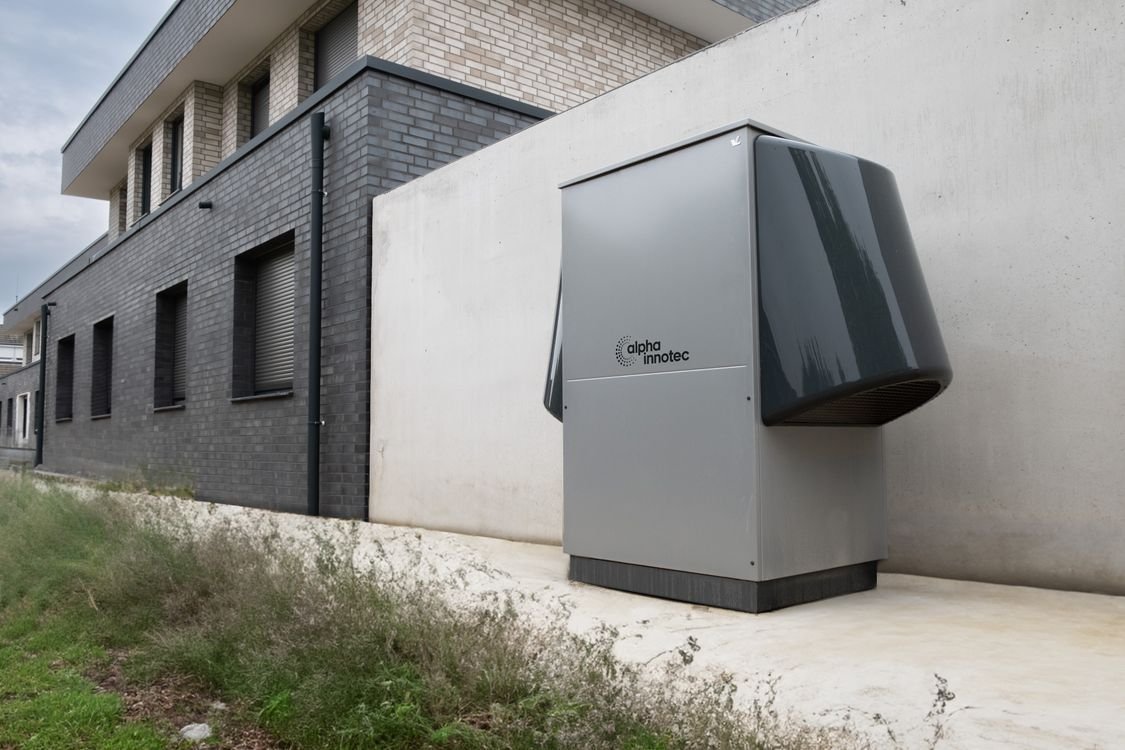
Cover photograph: alpha innotec / Pexels.