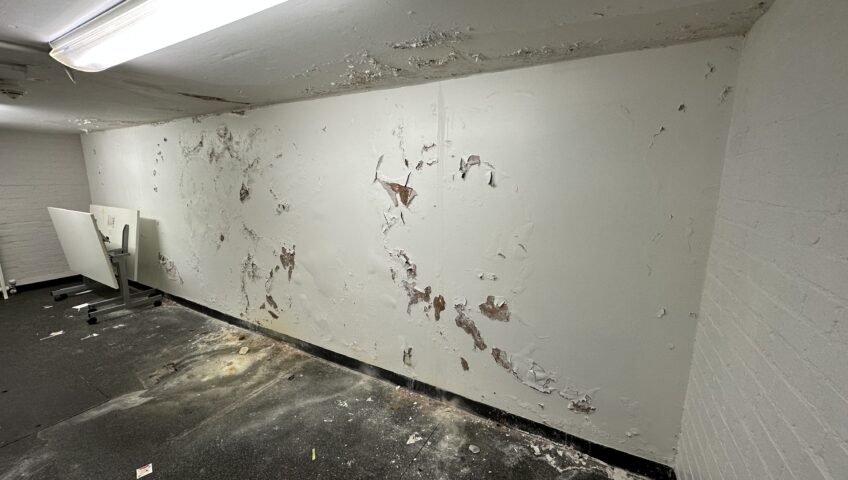
Damp-proofing a basement from the inside might sound like a massive task, but with the right approach, you can keep your space dry and free from moisture problems. Whether you’re dealing with minor condensation or serious damp patches, there are effective ways to tackle it. The key is understanding where the moisture is coming from and how best to block it.
| Waterproofing approach | Typical use | Important limitation |
|---|---|---|
| Type A barrier or tanking | Surface-applied protection | Depends on sound substrate and full detailing |
| Type B integral construction | Purpose-designed waterproof structure | Cannot usually be added to existing wall as a simple coating |
| Type C drained cavity | Internal drainage membrane and managed water | Requires maintained channels and reliable sump where needed |
| Ventilation/dehumidification | Controls indoor humidity | Does not stop external groundwater ingress |
Start with a survey and moisture diagnosis
Water on a basement wall may come from groundwater, defective drainage, plumbing, condensation or external rainwater. These need different remedies. Before waterproofing from inside, investigate gutters, external ground levels, nearby drains and the building’s structure.
Understand BS 8102 and combined protection
BS 8102 provides a framework for designing protection of below-ground structures against water ingress. Basement waterproofing can involve Type A, Type B and Type C approaches, sometimes combined according to risk and intended use. A qualified waterproofing designer should decide the appropriate system rather than relying on a general-purpose paint.
Plan maintenance and water disposal
Drained-cavity systems need accessible inspection points, correctly sized channels, dependable pumps and a safe discharge route. A sump pump should have an appropriate alarm and backup strategy when flooding would cause serious damage. Our underground drainage risks guide discusses related causes, and our dehumidifier comparison may help with humidity, not structural water ingress.
Understanding the Source of Damp
Before you jump into sealing and waterproofing, it’s worth identifying the exact cause of the dampness. Basements are naturally prone to moisture due to their position below ground level. Water can seep in through walls, floors, and even the air. Some common culprits include:
-
Condensation from warm air meeting cold surfaces.
-
Water seeping through walls due to external pressure.
-
Leaks from pipes or drainage issues.
Preparing the Basement
Start by clearing out the basement, removing anything that could be damaged by moisture. If there’s visible mould, clean it with a mixture of water and white vinegar or a specialist mould remover. Let the space dry out as much as possible before proceeding.
Check for any cracks or gaps in the walls and floor. Small cracks can be filled with a waterproof sealant, while larger ones may need more extensive repairs. If water is actively leaking in, you might need to install a drainage system or address external water buildup before moving forward with internal solutions.
Choosing the Right Damp-Proofing Method

Once the space is prepped, you can pick the right solution for your basement. Here are some common options:
1. Waterproof Sealants and Paints
A simple and cost-effective method is applying a waterproof sealant or damp-proof paint. These coatings create a barrier that prevents moisture from seeping through the walls. However, they work best for minor damp issues rather than severe water penetration.
Apply the sealant using a roller or brush, ensuring it covers every inch of the surface. Some products require multiple coats for maximum effectiveness. It’s also worth checking if the product is breathable, allowing moisture inside the walls to escape rather than trapping it in.
2. Tanking Slurry
Tanking involves applying a waterproof slurry directly onto the walls to create a fully sealed barrier. This method is more robust than a simple sealant and is great for walls that frequently get damp.
The slurry is mixed with water and applied in layers, usually two or three coats. Each coat must dry fully before adding the next. The result is a hard, waterproof layer that stops moisture in its tracks.
3. Internal Membrane Systems
For a more comprehensive approach, an internal membrane system might be the way to go. These systems use plastic sheets with small studs that allow air to circulate behind them. The membrane redirects moisture to a drainage system, keeping the basement walls dry.
This method is highly effective but requires more work, as you may need to install drainage channels to carry water away. It’s a great option for basements with persistent damp issues.
4. Improving Ventilation
Sometimes, damp problems are caused by poor airflow rather than water coming through the walls. Installing an extractor fan or using a dehumidifier can make a big difference. Good ventilation helps reduce condensation and keeps humidity levels in check.
If your basement has small windows, keeping them slightly open when possible can also help air circulate. Just be mindful of security and weather conditions.5. Installing a Sump Pump
For basements prone to flooding or significant water ingress, a sump pump may be the best solution. This device collects excess water in a sump pit and pumps it away from your home. It’s a more advanced solution but can be a lifesaver in particularly wet conditions.
Additional Tips for Long-Term Protection
Once you’ve damp-proofed your basement, maintaining it properly will help prevent future problems. Here are some extra steps to keep things in good shape:
-
Check gutters and downpipes. Water pooling around your foundation can increase damp issues, so make sure rainwater is being directed away from your home.
-
Keep an eye on humidity levels. A hygrometer can help monitor moisture levels, and using a dehumidifier when necessary can prevent damp from creeping back in.
-
Regularly inspect for leaks. Even a small leak from a pipe can lead to bigger problems if left unchecked.
-
Use moisture-resistant materials. If you’re planning to finish your basement, consider using water-resistant plasterboard, paints, and flooring to add an extra layer of protection.