Which home water filter actually makes sense?
Most UK households do not need a filter to make mains tap water safe. The Drinking Water Inspectorate explains that public supplies in England and Wales are routinely tested and that domestic filters are generally a matter of taste or a particular household need. Before spending money, check your water supplier’s local quality report and identify what you want to change.
| Filter type | Useful for | Important consideration |
|---|---|---|
| Jug filter | Improving taste in drinking water and hot drinks | Chilled storage, regular cleaning and cartridge costs |
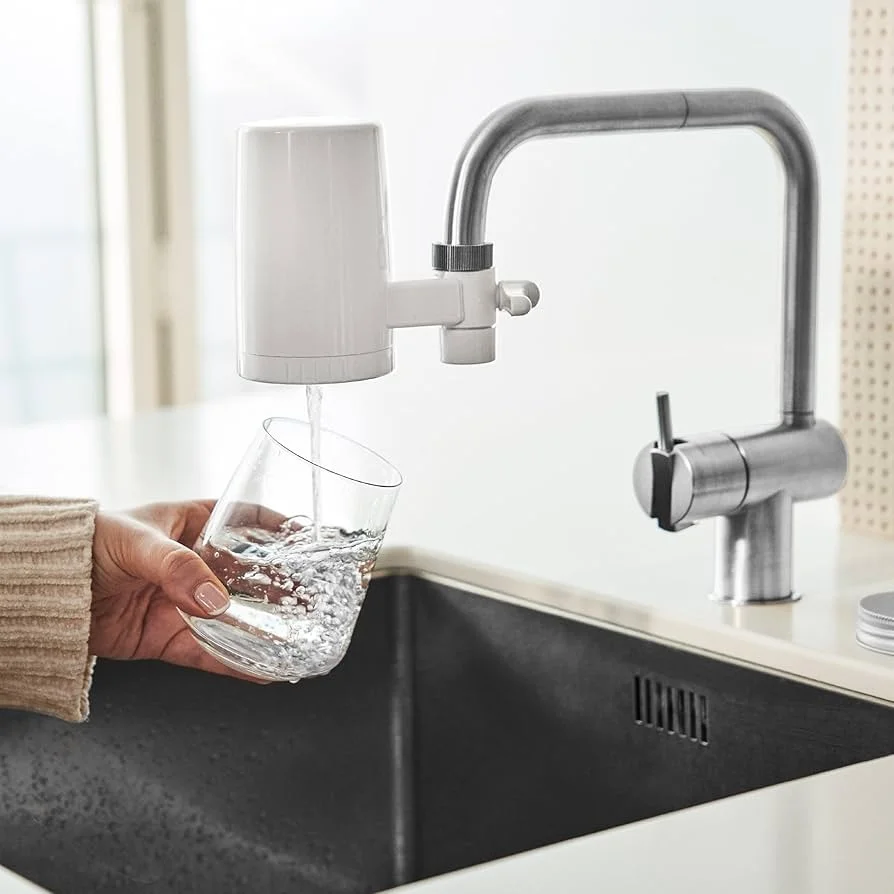
| Tap-mounted filter | Simple filtration without a large appliance | Tap compatibility and possible reduction in flow |
| Under-sink carbon system | Filtered drinking water with a clear worktop | Plumbing requirements and recurring cartridges |
| Reverse osmosis | Specialist treatment of dissolved substances | Wastewater, maintenance and potential need for remineralisation |
| Whole-house treatment | A documented property-wide water issue | Professional design, regulations and significant cost |
A crucial distinction: A carbon filter may improve chlorine taste without meaningfully softening hard water; reducing hardness or particular contaminants requires the appropriate treatment method and evidence that the exact product has been tested for that purpose. Change cartridges on schedule, since neglected filters can compromise water quality. If your tap water suddenly becomes discoloured or develops an unusual smell, contact your water supplier rather than relying on a filter to make it safe. See the government’s drinking-water quality guidance.