
When the electricity goes off, it is often the small things you notice first: a silent fridge-freezer, no internet and lights that will not switch on. A portable generator can supply selected essentials during a power cut, provided it is correctly sized and used safely outdoors. The best generator for power cuts in the UK depends on which appliances you need, how long the outage might last and whether portability matters. This review compares six petrol inverter generators covering basic backup through to higher-output options.
Portable Generators for Essential Backup During Power Cuts
 01
maXpeedingrods’ 3300W model gives households 3000W of continuous power for selected essentials during a power cut. Its two mains sockets can accommodate separate appliances within the rated load. The enclosed unit is portable, although it must run outdoors, away from openings.
Pros
- Eco mode adjusts engine speed for lighter loads
- Digital display makes output easier to monitor
- USB and 12V connections add charging options
- Low-oil and overload indicators flag operating problems
- Two-year limited warranty adds reassurance
 02
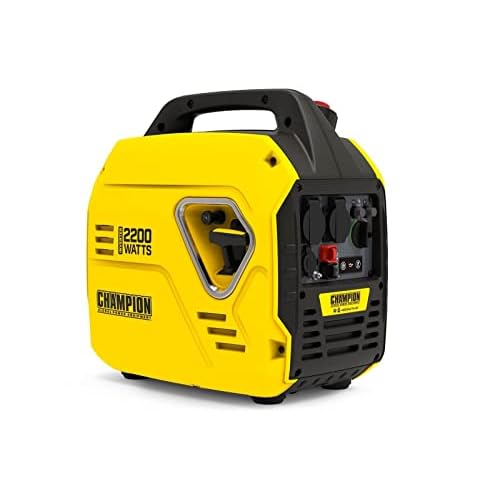
Champion’s Mighty Atom is one of the more manageable petrol generators to carry into position when the mains fails. Its 1900W running output suits selected essentials, while inverter technology provides stable power for electronics. The compact design is especially useful where storage space is limited.
Pros
- Two UK 13A sockets accept standard appliance plugs
- Up to 10.5 hours’ running at 25% load
- Economy mode adapts engine speed to demand
- Low-oil shutdown helps protect the engine
- Three-year manufacturer warranty for added reassurance
 03
Hyundai’s electric-start inverter generator makes emergency power less fiddly when a pull-start cord is inconvenient. Its 2000W continuous output can support a carefully selected group of essentials, such as lighting and refrigeration. The recoil starter provides a second way to get it running.
Pros
- Pure sine wave output suits compatible electronics
- LCD display shows voltage, runtime and fuel information
- Two standard UK mains sockets simplify connections
- Eco mode reduces engine speed at lighter loads
- Three-year home-use warranty offers extra reassurance
 04
maXpeedingrods’ 2300W inverter is useful when you need to keep a few essentials running rather than power the entire house. Its 1800W continuous output can support selected lights, communications and refrigeration, provided their starting demands fit. At 18.5kg, it’s reasonably manageable to move outdoors.
Pros
- Digital meter shows useful operating information
- USB ports charge compatible small devices
- Eco mode adjusts performance for lighter loads
- Parallel-ready design supports a compatible second unit
- Up to 6.5 hours’ runtime at half load
 05
Aceup Energy’s 3400W inverter provides 3200W of rated power, giving more room for household appliances with higher running demands. Its display makes checking output easier during an outage, while recoil starting keeps operation straightforward. It is intended for outdoor use away from the home.
Pros
- Digital gauge shows power and running information
- Pure sine wave output suits compatible electronics
- Eco mode can reduce fuel use at light loads
- Low-oil shutdown helps safeguard the engine
- Overload protection helps prevent excessive demand
 06
AIVOLT’s 1200W suitcase generator is suited to small emergency loads, including a router, lights and device chargers. At just 12kg, it is easier to carry and store than higher-output models. The 1100W continuous limit makes checking connected appliances’ wattage particularly important.
Pros
- Compact suitcase-style casing simplifies storage
- Standard UK mains socket accepts compatible appliances
- USB-A and USB-C connections offer charging choices
- Eco mode helps manage fuel use at lighter loads
- Overload protection adds an operational safeguard
How to Choose a Generator for Power Cuts
- Running output: Compare the continuous wattage, not just the larger peak figure printed in the product name. Add up the power drawn by the appliances you intend to run at the same time, leaving a sensible margin.
- Starting demand: Fridges, freezers and other motor-driven appliances may briefly draw more power when starting. Check their start-up requirements and the generator’s surge rating before connecting them.
- Outlets and cables: Check the number and type of UK sockets. Use suitable, fully unwound outdoor-rated extension leads and keep plugs and connections dry, following the generator manual.
- Fuel and runtime: Compare stated running times at the same load percentage. A longer figure at 25% load is not directly comparable with one measured at half load; keep fuel stored safely and within applicable rules.
- Weight and noise: You must move a generator to a safe outdoor location before use. Check its weight with fuel, lifting arrangements and noise information at a stated distance.
What Can a Portable Generator Actually Run?
A compact inverter generator may be enough for a router, a few lights and device charging. Higher-output models offer more scope for refrigeration and other essentials, provided the combined running load and start-up demand stay within the generator’s limits. Kettles, electric heaters and induction hobs can use a large share of the available output. For context, the appliances in our oil-filled radiator comparison include models rated at 2,000W or more. Avoid assuming a portable generator can run them alongside other equipment.
An inverter generator can provide stable output for compatible electronic equipment, but that does not remove the need to stay within its electrical limits.
Carbon Monoxide and Safe Connections
Petrol generators release carbon monoxide, a potentially fatal gas. Never run one indoors, in a garage or close to doors, windows and air vents. UK government power-outage safety advice recommends placing a generator outside, at least six metres from the building, with its exhaust facing away from openings. Follow any greater clearance stated in the manufacturer’s instructions. A carbon monoxide alarm provides an extra warning, not permission to operate a generator in an enclosed space.
Never plug a generator into a domestic wall socket or try to back-feed your consumer unit. If you want to supply fixed household circuits, consult a qualified electrician about a properly designed changeover arrangement. Otherwise, connect suitable individual appliances only as instructed.
Keeping It Ready Between Outages
A generator that has been stored for months may need attention before it will start. Follow the maker’s guidance on fuel condition, oil changes, periodic test runs and battery maintenance where an electric starter is fitted. Let the engine cool before refuelling, and store fuel in approved containers away from ignition sources.