
Best Exterior Wood Preservatives for Sheds, Fences and Garden Timber
British weather can be tough on outdoor timber, with repeated rain and damp conditions gradually affecting fences, sheds and garden furniture. A quality wood preservative helps protect against rot, fungal decay and, where specified, wood-boring insects, keeping timber in better condition for longer. Our review of the best outdoor wood preservatives covers effective treatments for garden woodwork, with practical advice on choosing the right formula and applying it for lasting protection
 01
Everbuild Triple Action is a versatile wood preservative for sheds, fences and other timber exposed to damp conditions. It penetrates the wood to help protect against fungal decay and wood-boring insects, making it useful for routine treatment without concealing the timber’s natural appearance.
Pros
- Targets wet rot, dry rot and wood-boring insects
- Can be applied to damp timber
- Fast-drying, low-odour formulation
- Suitable for garden buildings, joists and door frames
- Ready to use without dilution
 02
Barrettine Clear Wood Protective Treatment suits fences, trellis and pergolas where keeping the natural grain visible matters. Its penetrating oil-based formula helps repel rainwater and reduce moisture-related movement, making it a useful treatment for exposed garden timber and smaller outdoor maintenance projects.
Pros
- Helps reduce water absorption and timber swelling
- Film preservative discourages surface mould and algae
- Can be applied to rough-sawn or planed timber
- Suitable for sheds, gazebos and timber screens
- Clear finish keeps the original wood colour visible
 03
Sika Sikagard Wood Preserver is particularly useful for protecting exposed joinery and structural timber against fungal decay. The treatment penetrates rough-sawn and planed wood, including damp timber, making it practical for maintaining vulnerable areas such as wooden window frames, beams and shed structures.
Pros
- Formulated to help prevent wet rot and dry rot
- Micro-fine active ingredients penetrate timber
- Fast-drying formulation suits staged applications
- Suitable for indoor and outdoor timber
- Non-flammable, low-odour treatment
 04
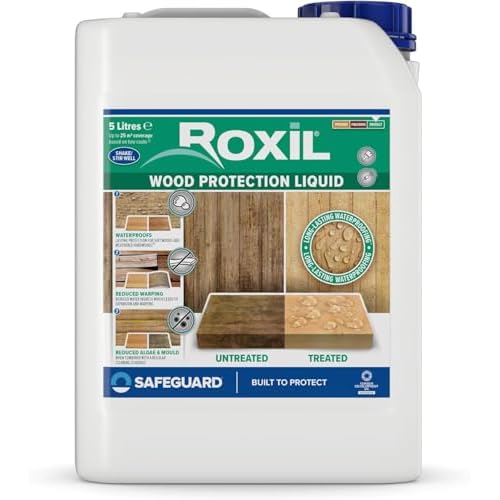
Roxil Wood Waterproofing Liquid is a sensible choice for decking, fencing and outdoor furniture exposed to frequent rain. Its clear silicone treatment reduces water absorption while leaving the timber grain visible. This helps absorbent wood resist moisture-related swelling and supports easier long-term maintenance.
Pros
- Helps reduce warping caused by moisture uptake
- Discourages mould and algae growth
- Suitable for softwood and weathered hardwood
- Ready-to-use formula needs no mixing
- Up to ten years’ service life on softwood with maintenance
 05
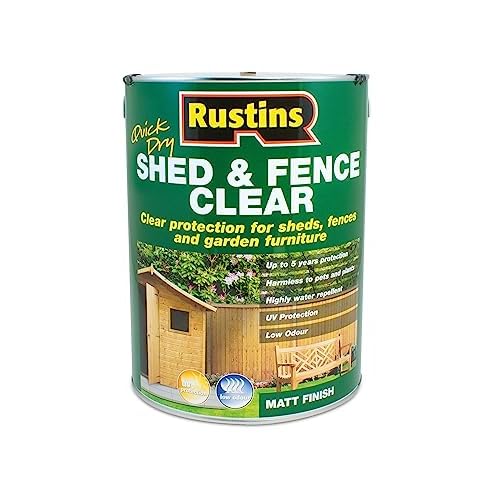
Rustins Quick Dry Shed & Fence Clear is a handy option for maintaining fences, sheds and trellis without adding colour. Its water-based acrylic finish combines water repellency with UV protection, helping outdoor timber withstand everyday weathering while leaving a subtle matt appearance.
Pros
- Suitable for new or previously treated garden timber
- Waxes help rainwater bead off the surface
- Low-odour formula makes brush application easier
- Up to five years’ protection with proper application
- Brushes can be cleaned with water
Buying Guide & FAQ
How to Choose the Best Outdoor Wood Preservative
A good wood preservative should provide reliable protection while being straightforward to apply. These are the features worth considering.
Choose the Right Type of Protection
-
Rot and fungal protection: Look for a preservative specifically formulated to protect against wood-decaying fungi. This is particularly useful for exposed fences, sheds and other outdoor timber.
-
Insect protection: Some formulas also protect against wood-boring insects, offering an additional benefit where this type of treatment is needed.
-
Suitable outdoor use: Check that the product is approved for your intended application. Above-ground garden woodwork and timber in direct contact with soil have different treatment requirements.
Consider the Formula and Finish
-
Water-based preservatives: Often lower in odour and convenient to apply with a brush. Many dry relatively quickly, making them practical for garden projects.
-
Solvent-based preservatives: Can offer good penetration into suitable bare timber, although drying times and ventilation requirements vary.
-
Clear or coloured finishes: Clear treatments help retain the wood’s natural appearance, while tinted versions can provide an attractive colour. Check whether a separate exterior stain, paint or oil is required for weather and UV protection.
How to Apply Wood Preservative for Better Results
Taking time to prepare the timber properly helps the treatment penetrate and provides a more consistent finish.
-
Clean the wood: Remove dirt, loose material and surface growth before applying the preservative. Allow the timber to dry thoroughly.
-
Prepare previously coated surfaces: Remove incompatible paint, varnish or other coatings where necessary so the preservative can reach the wood.
-
Choose suitable weather: Work during a dry spell, within the temperature range specified on the label, and avoid applying treatment when rain is expected before it can dry.
-
Apply evenly: Use the recommended brush or applicator, working along the grain and paying attention to joints, edges and exposed end grain.
-
Apply the required coats: Follow the manufacturer’s coverage and recoating instructions rather than assuming one coat is sufficient.
-
Finish appropriately: Once the preservative has dried, apply a compatible exterior finish if required to help protect the surface from rain and sunlight.
Practical tip: When treating a new wooden fence or shed, pay particular attention to exposed cut ends, where moisture can enter more readily. Use a suitable end-grain treatment, especially on freshly cut pressure-treated timber.
Can You Apply Wood Preservative Over Paint or Varnish?
Most penetrating wood preservatives work best on bare, absorbent timber. Existing paint or varnish can prevent the treatment from soaking into the wood properly.
If the surface already has a protective coating, you may need to remove it before applying a preservative. Always check compatibility, as some products are specifically designed for previously treated surfaces.
Does Pressure-Treated Wood Still Need Wood Preservative?
Pressure-treated timber already contains preservatives that help protect it against decay, so applying another general-purpose treatment isn’t always necessary. However, freshly cut ends may need a suitable brush-on treatment to restore protection to exposed areas. Exterior stains or oils can also help maintain the wood’s appearance. For ground-contact applications, use timber pressure-treated to the appropriate specification rather than relying on a surface-applied preservative.
How Often Should You Reapply Outdoor Wood Preservative?
The appropriate interval depends on the product, timber condition and level of weather exposure. Some treatments offer protection for several years, while decorative topcoats may require more frequent maintenance. Check the manufacturer’s recommended maintenance schedule and inspect your timber periodically for worn coatings, cracks or signs of moisture damage. Reapplying compatible protection when needed can help keep outdoor woodwork looking its best.
Our Top 3 Picks