
If you regularly buy gluten-free bread, you’ll know that the loaves can be small, expensive and disappointing once opened. A bread maker gives you more control over what goes into your loaf and lets you enjoy it freshly baked, without mixing and kneading everything by hand. Some models handle more than sandwich bread, with settings for gluten-free cakes and doughs, while compact machines are useful if you only need a few slices at a time. This review compares five gluten-free bread makers for UK kitchens.
Gluten-Free Bread Makers for Fresh Homemade Loaves
 01
Panasonic’s SD-YR2550 is a versatile choice for households that make gluten-free bread regularly. Alongside its dedicated loaf programme, it offers gluten-free cake, pizza dough and pasta settings. Separate yeast and fruit dispensers take care of ingredient additions, making everyday baking more convenient.
Pros
- Three loaf sizes accommodate different appetites
- Dual sensors respond to room and machine temperatures
- Crust options let you choose a lighter or darker finish
- Manual kneading and rising modes extend recipe flexibility
- Bread-mix programmes simplify preparing packaged mixes
 02
The Panasonic SD-R2530 is ideal for keen home bakers who want more than a gluten-free sandwich loaf. Dedicated programmes handle cakes, pasta and pizza dough, while the ingredient dispenser adds nuts or dried fruit automatically. Manual functions also leave room for experimenting with recipes.
Pros
- Manual kneading and rising offer extra recipe control
- Three crust settings suit individual preferences
- Bread-mix cycles make packaged mixes easier to prepare
- Temperature sensors respond to changing kitchen conditions
- Delayed start helps plan baking around your day
 03
Panasonic’s SD-B2510 offers a straightforward route to homemade gluten-free loaves without the extra cost of automatic ingredient dispensers. Its separate bread, cake, pizza dough and pasta programmes provide useful variety, while the familiar controls make it approachable for people new to bread making.
Pros
- Dual temperature sensors help manage fermentation timing
- Three loaf sizes accommodate household needs
- Choice of crust colours for everyday loaves
- Delayed start fits baking around busy schedules
- Dedicated bread-mix option simplifies preparation
 04
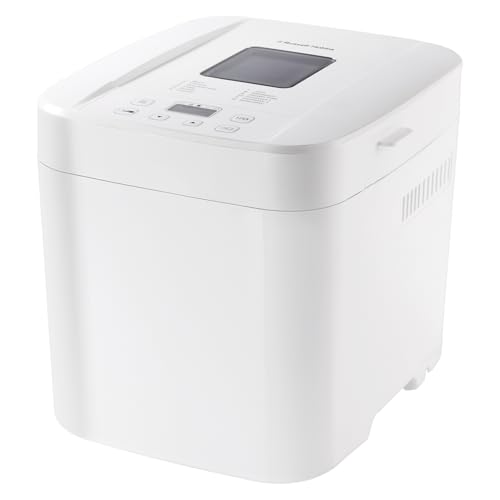
The Russell Hobbs Classics bread maker makes gluten-free baking accessible without a premium price tag. Its dedicated programme handles suitable gluten-free mixes, while the viewing window allows you to follow progress without opening the lid. Two loaf sizes suit different household appetites.
Pros
- Non-stick baking pan helps with loaf removal
- One-hour keep-warm function offers serving flexibility
- Dough and jam programmes extend everyday use
- Ten-minute power interruption memory adds convenience
- Dishwasher-safe pan and paddle simplify cleaning
 05
Panasonic’s SD-PN100 is ideal for single-person households and couples who prefer fresh bread in smaller quantities. It makes approximately 400g loaves, reducing the need to store leftovers. Four gluten-free programmes cover bread, cake, pizza dough and pasta without requiring a full-sized machine.
Pros
- Smaller loaves can help reduce food waste
- Three crust settings offer a choice of finish
- Ingredient alert helps time optional additions
- Dual sensors adjust to changing kitchen temperatures
- LCD display makes programme selection straightforward
How to Choose a Gluten-Free Bread Maker
A gluten-free programme is the starting point, but the right machine should also suit the bread you actually want to bake. Pay particular attention to these details:
- Dedicated programmes: Gluten-free dough behaves differently from wheat dough, so look for a specific gluten-free bread cycle rather than relying on the standard loaf setting. Some machines also have separate programmes for gluten-free cakes, pasta or pizza dough.
- Loaf size: A smaller loaf is practical for one or two people, particularly because homemade gluten-free bread can dry out quickly. Larger loaf options make more sense if several people eat it regularly.
- Ingredient dispensers: Automatic dispensers are convenient for recipes needing additions partway through the cycle. They’re less important if you mainly bake straightforward loaves from a gluten-free bread mix.
- Kitchen space and cleaning: Check the machine’s height with the lid open, especially beneath wall cupboards. A removable baking pan and kneading blade also make cleaning easier between batches.
Getting Better Results with Gluten-Free Flour
Gluten-free dough often resembles a thick batter rather than the elastic ball formed by conventional bread flour. Results can differ noticeably between flour blends, so begin with a recipe written for your bread maker or the particular gluten-free mix you’re using. Follow its ingredient quantities and loading order rather than adapting a standard wheat-bread recipe without guidance.
Weigh ingredients carefully, use the yeast type specified in the recipe and allow the baked loaf to cool before slicing. If you’re preparing smaller quantities, slice and freeze the extra bread once cooled so it doesn’t go stale before you can eat it. For advice on arranging countertop appliances and leaving enough working space, see our guide to essential kitchen appliances.
Keeping Gluten-Free Baking Separate
If someone in your household has coeliac disease, preventing cross-contact with gluten is essential. A bread maker’s gluten-free setting changes the baking programme; it does not remove traces of wheat flour from the appliance.
Clean the pan, kneading blade and any utensils thoroughly before gluten-free baking, taking care around seams where residue can collect. Avoid using contaminated spreads or a chopping board covered in ordinary bread crumbs. Where you bake both types of bread regularly, separate accessories may make preparation simpler. Coeliac UK’s advice on preventing cross-contact at home explains how to keep preparation areas and equipment clean.