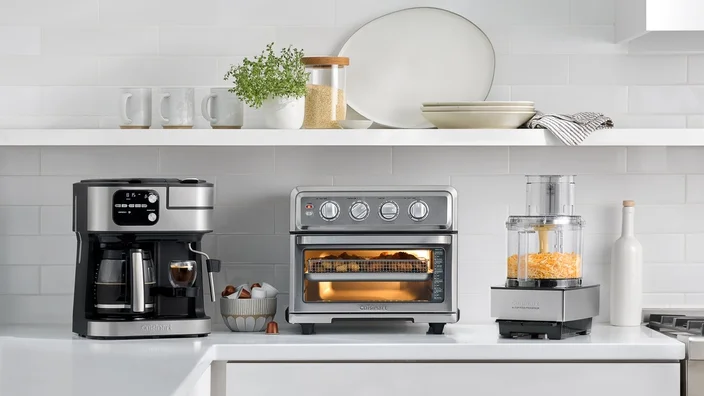
The kitchen is often described as the heart of the home, and for good reason. It’s where meals are prepared, families gather, conversations take place, and everyday routines begin and end. Whether you’re moving into a new property, renovating your existing kitchen, or simply replacing ageing appliances, choosing the right equipment can make a significant difference to how efficiently and comfortably your home operates.
Modern kitchens have evolved far beyond basic cooking spaces. Today’s homeowners can choose from an extensive range of appliances designed to save time, improve energy efficiency, simplify everyday tasks, and even enhance the appearance of the room. From smart ovens and induction hobs to dishwashers, refrigerators and small countertop appliances, every purchase plays a role in creating a practical and enjoyable kitchen.
However, selecting kitchen appliances isn’t simply about buying the latest technology. It’s about understanding your household’s needs, considering available space, comparing running costs, and investing in products that will provide reliable performance for years to come.
This guide covers everything you need to know about choosing kitchen appliances and household essentials, helping you create a kitchen that is functional, efficient, stylish, and built around your lifestyle.
Why Choosing the Right Kitchen Appliances Matters
Kitchen appliances are among the hardest-working items in any home. Many are used every single day, making reliability, efficiency and ease of use essential considerations.
Choosing the right appliances can:
- Improve everyday convenience
- Reduce energy and water consumption
- Lower household running costs
- Save valuable time
- Enhance food storage and preparation
- Increase property appeal
- Improve the overall kitchen design
Rather than purchasing appliances individually, it’s often worth considering how they will work together as part of a complete kitchen.
Planning Your Kitchen Before Buying Appliances
One of the biggest mistakes homeowners make is purchasing appliances before planning the overall kitchen layout.
A well-designed kitchen considers:
Available Space
Measure carefully before purchasing any appliance. Consider door openings, ventilation requirements and access for installation.
Household Size
A family of five has very different requirements from a single occupant or couple.
Cooking Habits
Someone who enjoys cooking daily may prioritise premium ovens and larger hobs, while others may focus on convenience appliances.
Energy Efficiency
Appliances with higher energy efficiency ratings may cost more initially but often reduce long-term electricity consumption.
Future Needs
Consider whether your household may grow or change over the coming years.
Refrigerators and Freezers
A refrigerator is arguably the most important appliance in the kitchen, operating continuously throughout the year.
Choosing the correct model depends on storage requirements, available space and lifestyle.
Freestanding Fridge Freezers
These remain one of the most popular choices for UK homes.
Benefits include:
- Wide choice of sizes
- Simple installation
- Easy replacement
- Competitive pricing
Integrated Refrigerators
Integrated models fit behind kitchen cabinet doors for a seamless appearance.
Advantages include:
- Modern design
- Consistent kitchen styling
- Reduced visual clutter
American-Style Fridge Freezers
Larger households often prefer American-style models.
Features may include:
- Large storage capacity
- Ice dispensers
- Water dispensers
- Multiple cooling zones
While they provide exceptional storage, they require more kitchen space and typically consume more energy.
Ovens
The oven is one of the most frequently used appliances in the home.
Selecting the right oven depends on cooking habits, household size and available space.
Single Ovens
Suitable for smaller households and compact kitchens.
Double Ovens
Provide greater flexibility by allowing different dishes to cook simultaneously.
Built-In Ovens
Built-in ovens create a clean, modern appearance and can be installed at eye level for improved accessibility.
Steam Ovens
Steam ovens use moisture during cooking to retain nutrients and improve food texture.
They’re becoming increasingly popular among homeowners who enjoy healthy cooking.
Smart Ovens
Modern smart ovens offer features such as:
- Remote control via smartphone
- Automatic cooking programmes
- Self-cleaning functions
- Precise temperature management
These technologies simplify cooking while helping achieve consistent results.
Hobs
Choosing the right hob has a significant impact on cooking performance.
Gas Hobs
Gas hobs remain a favourite among many experienced cooks.
Advantages include:
- Instant heat control
- Familiar cooking experience
- Suitable for a wide range of cookware
Ceramic Hobs
Ceramic hobs provide a smooth cooking surface that is easy to clean.
Induction Hobs
Induction technology has become increasingly popular due to its efficiency and safety.
Unlike traditional electric hobs, induction hobs heat the cookware directly rather than the cooking surface.
Benefits include:
- Faster cooking
- Lower energy consumption
- Improved safety
- Easier cleaning
The main consideration is ensuring cookware is induction compatible.
Cooker Hoods and Extraction
Good ventilation is often overlooked when designing a kitchen.
Cooking generates:
- Steam
- Grease
- Smoke
- Odours
- Moisture
Without effective extraction, these pollutants can spread throughout the home.
Chimney Cooker Hoods
A popular choice for larger kitchens.
Integrated Extractor Hoods
Designed to remain discreet within cabinetry.
Downdraft Extractors
Rise from the worktop when required, creating a minimalist appearance.
Choosing the correct extraction rate is essential for maintaining good indoor air quality.
Dishwashers
Dishwashers have become standard in many households.
Modern models use surprisingly little water compared with washing dishes by hand.
Freestanding Dishwashers
Easy to install and replace.
Integrated Dishwashers
Blend seamlessly into fitted kitchens.
Slimline Dishwashers
Ideal for smaller households or compact kitchens.
When comparing models, consider:
- Capacity
- Noise levels
- Water consumption
- Energy efficiency
- Programme options
Washing Machines
Although often located in utility rooms, washing machines remain an essential household appliance.
Key considerations include:
Drum Capacity
Larger families benefit from higher-capacity machines.
Spin Speed
Higher spin speeds reduce drying times.
Energy Efficiency
Modern machines use significantly less electricity and water than older models.
Smart Features
Some washing machines offer:
- Remote operation
- Automatic detergent dosing
- Maintenance alerts
- Energy monitoring
Tumble Dryers
Drying clothes indoors can increase humidity and contribute to condensation.
A tumble dryer offers a practical solution, particularly during colder months.
Vented Dryers
Require external ventilation.
Condenser Dryers
Collect moisture in an internal container.
Heat Pump Dryers
Heat pump dryers are the most energy-efficient option.
Although more expensive to purchase, they often reduce long-term running costs.
Microwaves
Microwaves remain one of the most convenient appliances for modern households.
Today’s models provide much more than simple reheating.
Features may include:
- Combination cooking
- Grilling
- Convection cooking
- Automatic programmes
Built-in microwaves help create a streamlined kitchen design.
Small Kitchen Appliances
Small appliances often provide the greatest day-to-day convenience.
Popular choices include:
Kettles
An essential appliance in most UK homes.
Consider:
- Capacity
- Boiling speed
- Energy efficiency
Toasters
Available in two-slice and four-slice models.
Coffee Machines
Options include:
- Bean-to-cup
- Pod machines
- Filter coffee makers
- Espresso machines
Air Fryers
Air fryers have become one of the fastest-growing kitchen appliances in recent years.
They use circulating hot air to cook food with significantly less oil than traditional frying.
Benefits include:
- Faster cooking
- Lower energy use than many ovens
- Healthier meal preparation
- Easy cleaning
Food Processors
Ideal for chopping, slicing, mixing and blending.
Stand Mixers
Popular among enthusiastic home bakers.
Household Essentials Every Kitchen Needs
Appliances are only one part of a well-equipped kitchen.
Essential household items include:
Cookware
Invest in quality:
- Saucepans
- Frying pans
- Stockpots
- Roasting trays
Knives
A good chef’s knife is one of the best investments any cook can make.
Chopping Boards
Using separate boards for meat and vegetables improves food hygiene.
Food Storage Containers
Help reduce food waste and keep kitchens organised.
Kitchen Scales
Essential for accurate baking.
Measuring Jugs
Useful for cooking and baking.
Cleaning Supplies
Maintain hygiene with:
- Washing-up liquid
- Microfibre cloths
- Sponges
- Surface cleaners
- Bin liners
Smart Kitchen Technology
Connected appliances are becoming increasingly common.
Examples include:
Smart Refrigerators
Can monitor food supplies and suggest shopping lists.
Smart Ovens
Allow remote control and recipe integration.
Smart Coffee Machines
Prepare drinks automatically at scheduled times.
Voice-Controlled Appliances
Compatible with smart home assistants for added convenience.
Energy Efficiency
Kitchen appliances account for a significant proportion of household electricity usage.
Improving efficiency can lower energy bills.
Simple ways include:
- Choosing energy-efficient models
- Running dishwashers with full loads
- Keeping refrigerator seals clean
- Defrosting freezers regularly
- Maintaining appliances according to manufacturer recommendations
Appliance Maintenance
Regular maintenance extends appliance lifespan and improves efficiency.
Good practice includes:
- Cleaning filters
- Removing limescale
- Checking door seals
- Cleaning ventilation grills
- Following servicing recommendations
Well-maintained appliances generally perform better and require fewer repairs.
Common Appliance Problems
Even high-quality appliances experience wear over time.
Common issues include:
Refrigerators Not Cooling Properly
Often caused by blocked vents, dirty condenser coils or faulty door seals.
Ovens Heating Unevenly
May indicate worn heating elements or thermostat issues.
Dishwashers Leaving Residue
Usually caused by blocked spray arms or unsuitable detergent.
Washing Machines Vibrating Excessively
Often the result of uneven loading or installation.
Addressing minor issues promptly can prevent more expensive repairs later.
Choosing Appliances That Suit Your Lifestyle
The best kitchen appliances are those that match the way you actually use your kitchen.
Ask yourself:
- How often do you cook?
- How many people live in your home?
- Do you entertain regularly?
- Is energy efficiency a priority?
- Do you prefer smart technology?
- How much storage space do you need?
Answering these questions will help you invest in appliances that offer genuine long-term value rather than unnecessary features.
Conclusion
Choosing kitchen appliances and household essentials is about creating a space that works efficiently for your daily routine while complementing your home’s design. From refrigerators and ovens to dishwashers, air fryers, washing machines and smart appliances, every decision contributes to the functionality, efficiency and comfort of your kitchen.
Rather than focusing solely on appearance or the latest technology, homeowners should consider reliability, energy efficiency, ease of maintenance and how each appliance fits their lifestyle. Investing in quality products, maintaining them properly and selecting the right household essentials will help create a kitchen that remains practical, enjoyable and efficient for many years to come.