
In a small kitchen, every centimetre of worktop and cupboard space matters. An under-counter fridge keeps everyday food and drinks close at hand without needing room for a tall appliance. The best under counter fridges for UK homes range from compact larder models with generous fresh-food storage to narrower designs with a small icebox or separate freezer compartment. This review compares seven options for flats, smaller households and kitchens where a second fridge would be useful, with an emphasis on practical storage rather than unnecessary extras.
Under Counter Fridges That Make the Most of Small Kitchens
 01
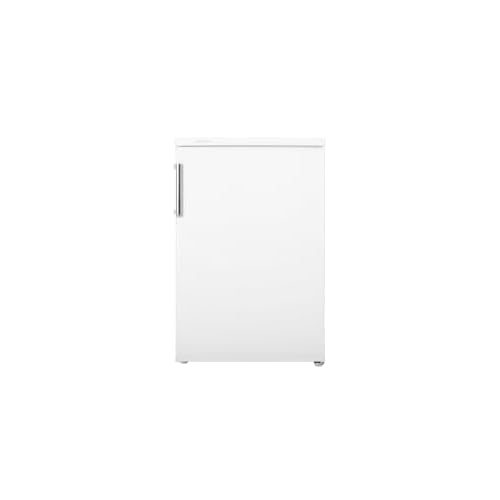
Hisense’s 132-litre larder fridge is useful when you already have a freezer and want the space beneath your worktop devoted to fresh food. It offers room for everyday groceries, while automatic defrosting saves a maintenance job and a reversible door helps with placement.
Pros
- Dedicated salad drawer separates fresh produce
- Door racks accommodate bottles and cartons
- Interior lighting helps you find smaller items
- Adjustable shelves make room for taller groceries
- Full fridge-only capacity suits a weekly shop
 02
Cookology’s roomy 130-litre fridge suits smaller households that need plenty of chilled storage without an icebox taking up space. Its wide shelves make it easier to separate the weekly shop, while the salad drawer gives fruit and vegetables a dedicated home.
Pros
- Three door racks keep drinks and condiments organised
- Adjustable thermostat makes temperature setting straightforward
- Level-adjustable feet help on uneven floors
- Freestanding cabinet fits beneath suitable worktops
- White finish works with a range of kitchens
 03
Cookology’s slim black fridge fits narrow kitchen gaps where a standard under-counter model would be too wide. Alongside space for milk, meals and fresh ingredients, it includes a small chiller box. The reversible door makes it easier to accommodate awkward kitchen layouts.
Pros
- Two full wire shelves separate groceries
- Half shelf leaves room above the vegetable drawer
- Three door racks organise bottles and condiments
- Adjustable feet help level the fridge
- Simple thermostat dial makes setting easy
 04
COMFEE combines everyday fridge space with a separate four-star freezer compartment, so a compact kitchen can accommodate fresh ingredients and frozen essentials in one unit. It’s handy for a flat or studio where there isn’t room for a separate freezer.
Pros
- Four-star compartment supports freezing fresh food
- Vegetable drawer keeps produce together
- Two-litre bottle rack accommodates larger drinks
- Adjustable front feet help with stable installation
- Interior light makes food easier to locate
 05
Russell Hobbs’ black larder fridge is a practical match for kitchens that already have separate frozen-food storage. Its 127-litre interior gives fresh groceries room to spread out, with door racks for bottles and condiments. The reversible door helps with positioning beneath the worktop.
Pros
- Salad crisper provides a separate place for produce
- Removable shelving accommodates taller containers
- Interior LED light brightens the storage area
- Adjustable feet help level the appliance
- Black finish complements darker kitchen fittings
 06
Fridgemaster’s 82-litre fridge is built for narrow spaces, with a small icebox for frozen essentials alongside the main chilled compartment. At under 48cm wide, it leaves more flexibility in a tight kitchenette, while the interior light makes groceries easier to find.
Pros
- Reversible door accommodates different layouts
- 38dB noise rating suits compact living spaces
- Mechanical dial keeps controls straightforward
- Door rack holds bottles up to two litres
- Adjustable feet help position the appliance level
 07
Igenix’s 92-litre larder fridge suits a small kitchen, home office or household that needs extra chilled storage. The narrow cabinet slips into gaps where wider appliances won’t fit, while adjustable glass shelves let you rearrange the interior to accommodate different groceries.
Pros
- Salad drawer keeps fruit and vegetables separate
- Door storage organises drinks and condiments
- Mechanical thermostat makes temperature adjustment simple
- Adjustable feet help stabilise the fridge
- Two-year guarantee provides additional reassurance
How to Choose an Under Counter Fridge
- Measure the opening and door swing: Check the height, width and depth beneath the worktop, allowing for sockets, pipes, ventilation and room to open the door fully. Compare these measurements with the manufacturer’s installation requirements.
- Choose the compartments: A larder fridge devotes its interior to chilled food. An icebox provides limited frozen storage, while a separate four-star freezer is more versatile but reduces the space available for fresh groceries.
- Compare usable litres: Look at the fridge compartment’s capacity rather than just the combined total. Shelf positions, salad drawers and door storage for your usual bottles can matter more than a few extra litres.
- Running costs and noise: Compare annual electricity consumption in kWh alongside the UK energy label. In a studio flat or open-plan kitchen, check the stated noise level as well.
Freestanding or Integrated?
Most models in this review are freestanding appliances designed to sit beneath a suitable worktop. They are not intended to be boxed tightly into a sealed cabinet. If you want the fridge hidden behind a matching kitchen door, you need a different installation type; see our integrated undercounter fridge comparison for that distinction.
Is an Icebox Worth the Space?
A small icebox can be handy for a few frozen essentials, but check its star rating and storage volume. A four-star compartment can freeze fresh food within its stated capacity; lower-rated compartments have different capabilities. If you already have a freezer elsewhere, a larder fridge usually provides a more useful arrangement for fresh groceries.
Getting the Most from a Compact Fridge
Leave the ventilation space required in the manual and level the fridge so its door seals properly. Keep air passages clear, wipe down the door seals and follow the model’s defrost instructions. A fridge thermometer is useful for checking that food is being stored safely: official UK food safety guidance recommends keeping the fridge between 0°C and 5°C and checking the temperature regularly.
For a broader look at how refrigeration fits into a smaller kitchen, our essential kitchen appliances guide explains the choices between freestanding and integrated refrigeration.