
Replacing failing windows can improve warmth, draught control, noise reduction and the look of a UK home. However, the benefit depends on the condition of the existing windows and the complete replacement specification. A well-maintained double-glazed window may not justify wholesale replacement, while a single-glazed, draughty window can offer more scope for improvement.
What makes a window energy-efficient?
Window performance is about the whole unit, not merely the number of glass panes. Modern glazing commonly combines insulated glass units, low-emissivity coatings, warm-edge spacers and adequately insulated frames. The complete-window U-value describes heat transfer: lower values generally mean less heat loss. Compare the U-value for the entire installed window rather than a glass-only number.
Energy Saving Trust explains window energy ratings and U-values and why solar gains and air leakage also matter. Glazing that suits a north-facing room may not be ideal for a large south-facing window at risk of summer overheating.

Double, triple or secondary glazing?
| Option | Typical reason to choose it | What to check |
|---|---|---|
| Double glazing | A balanced replacement for worn single glazing in many homes. | Whole-window performance, ventilation, security and installation. |
| Triple glazing | Extra thermal performance where specifications and structure justify it. | Weight, cost, frame design and whether extra benefit is worthwhile. |
| Secondary glazing | Improvement without removing existing glazing, especially in period homes. | Condensation control, opening access and conservation requirements. |
Secondary glazing can sometimes improve comfort while retaining original timber sash windows. If you live in a conservation area or listed building, establish any permission requirements before changing frames or glazing. Do not assume that a visually similar modern replacement will automatically be approved.
Draughts, noise and condensation
New seals and properly fitted opening lights can reduce draughts, but improvements depend on the building’s wider airtightness. Acoustic glazing may reduce road noise more effectively than standard glass when the thickness, cavity and seals are designed for that purpose. A replacement window cannot eliminate noise entering through walls, vents or other gaps.
Condensation on the room-side surface is often related to humidity, ventilation and surface temperature; condensation trapped between the panes of a sealed double-glazing unit can indicate its edge seal has failed. Avoid blocking required ventilation in an attempt to keep heat in. Our guide to heating and indoor air quality explains moisture management.
Security is more than a lockable handle
Ask about the security rating of the complete window assembly, including glazing, hinges, locking points and frame. Key-locking handles can help control operation, but do not automatically make a window secure or suitable for an emergency escape opening. Our uPVC locking mechanisms guide explains typical espagnolette systems.
Getting the installation right
Even a good window can underperform if the opening is poorly prepared, fixings are unsuitable or perimeter joints are inadequately sealed. An installer should measure the aperture, check substrate condition, protect surrounding finishes, set the frame square and explain how ventilation and any required escape access will be maintained.
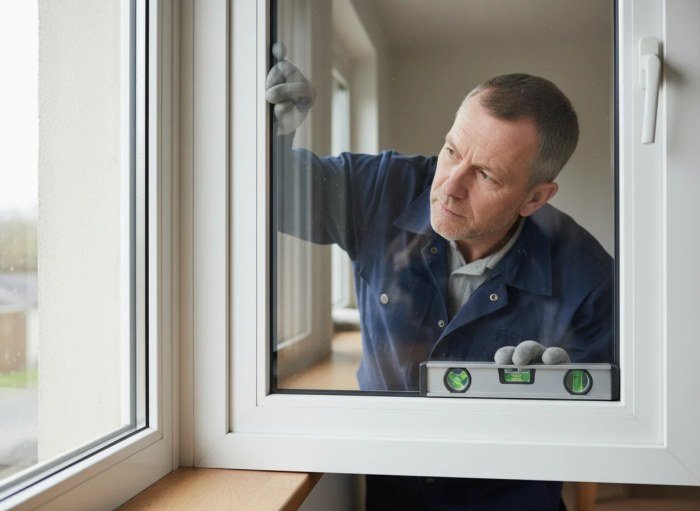
In England, replacement windows are controlled fittings under Building Regulations. A registered competent person installer can normally self-certify qualifying work; otherwise building-control approval may be needed. Check the relevant procedure for other UK nations and keep the completion certificate. See the Planning Portal’s replacement-window guidance.
Comparing quotations fairly
A named local supplier such as Essex’s top-rated double glazing company may be one source of a quote, but the best choice depends on the specification, site survey, fitting details and aftercare rather than claims of being the highest rated. Ask each firm for a written, itemised quotation that identifies the actual window system, hardware, glazing and compliance route.
If you request details from Easiglaze, compare the same opening sizes and performance criteria against other installers. Check what happens if defective masonry or rot is discovered after the old frame comes out, and who pays for making good plaster, trim and decoration.
Our guide to choosing window styles compares visual options, while the EPC improvement guide helps put replacement glazing into a wider home-efficiency plan.
A sensible replacement checklist
Before ordering, record the problem with each existing window; ask for complete-window thermal and security specifications; confirm ventilation and escape arrangements; compare warranties, payment terms and completion documentation; and make sure the fitter explains maintenance. In some rooms, adjustment, seal repairs or secondary glazing may solve the problem for much less than a full replacement.
Quality windows can make a house more pleasant and easier to maintain, but measurable performance and proper fitting matter more than marketing claims. Choose the solution that addresses the actual weakness in your home.